A blueprint for genuine clean energy and a robust, sustainable grid.
There is no reasonable doubt that climate change is indeed a real and urgent issue, and there is no reasonable doubt that humans are responsible. Additionally, there can be no doubt that the burning of fossil fuels is the primary contributor to climate change, and that it is urgent and imperative that we cease the extraction, refining, transportation, and consumption of fossil fuels. However, it is equally vital that we approach the transition to clean power in a way which does not entail catastrophic, unintended side effects. We must acknowledge that not everything which has been branded and marketed as “clean” is actually thus.
We must acknowledge first that all energy production and transmission entails inherent environmental impacts. The consequence of this is that the best thing we can do to reduce our consumption of fossil fuels and transition to clean energy is to reduce the amount of energy we consume. It is imperative that we prevent the continued increase in electricity demand, and seek to reverse that trajectory.
The most obvious and easily achievable means of reducing energy consumption is to place a moratorium upon the construction of new data centers, and to place severe restrictions on the software these facilities are allowed to run. Specifically, they should be prohibited from running generative AI and cryptocurrency programs. This will immediately and dramatically reduce the ongoing increase in electricity demand. Further action against data centers, such as increased taxation of their energy consumption and their daily operation, can be used to further restrict demand from such facilities for electricity.
Programs to increase the efficiency of our homes and businesses must also be pursued, and the government should implement aggressive programs to subsidize the transition to greater energy efficiency in our daily lives. A more challenging aspect of energy demand reduction is the need to both eliminate fossil fuel use in transportation, while not simultaneously increasing the demand for electricity. This is part of why electric cars are not really a significantly cleaner form of transportation than gas or diesel vehicles. They add to the overall demand for power, which as we have established carries high inherent impacts. What is needed is a restructuring of our communities to reduce the need for the average person to commute to work, and to ensure that mass transit is available and convenient throughout our society. It is vital that we endeavor to make car ownership optional for everyone. This has the additional benefit of drastically reducing the cost of living, benefiting local economies, and increasing quality of life.
Ultimately, we do of course need to generate power, and we need to do so in a way that is as close to clean energy as is possible. This means taking a far different approach to clean energy infrastructure than what is currently being pursued. Right now, the image of clean energy is typified by solar and wind farms. Such designation of these facilities as clean energy is so deeply flawed as to be tantamount to false advertising. Paving over and fragmenting vast landscapes to build utility scale solar and wind farms entails such severe negative ecological impacts as to dismiss them entirely as clean energy. We must also consider that solar panels and wind turbines have a very limited shelf life, and require significant mining, refining, manufacturing and shipping to construct and maintain long term. The transmission requirements of utility-scale solar/wind entails further such impacts, and beyond the annihilation of ecosystems, the cumulative direct wildlife deaths resulting from this infrastructure cannot be discounted.
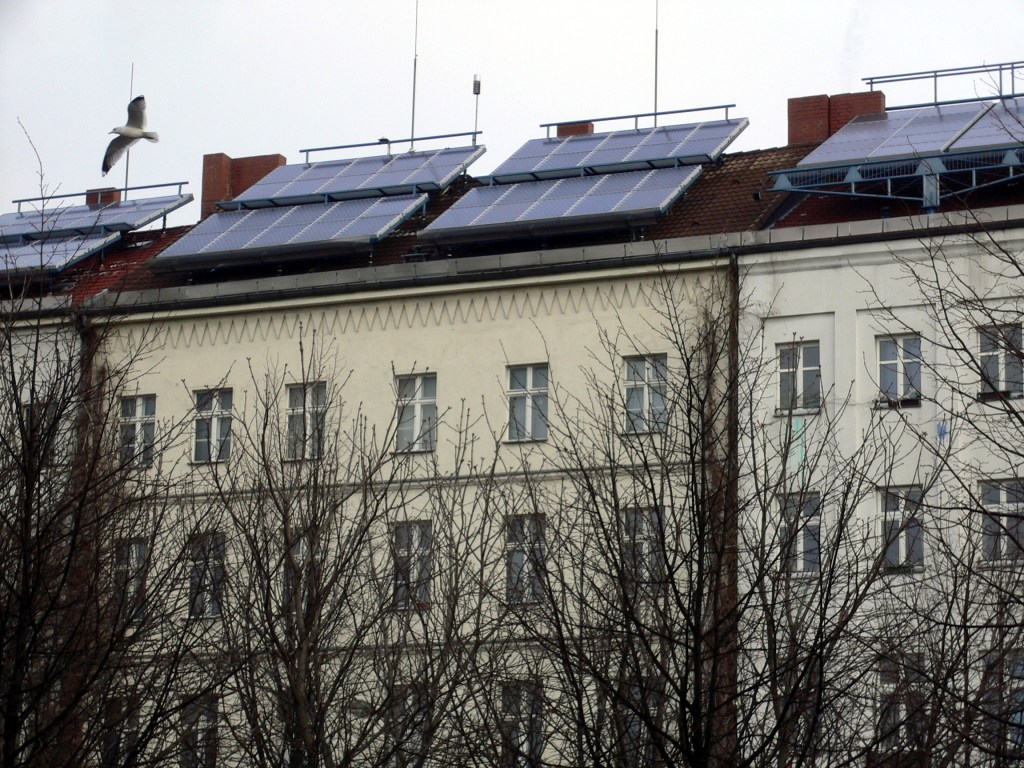
This is not to say that solar and wind are themselves not important sources of clean energy, but rather that it is imperative that they are implemented in a way that minimizes their impact. We have vast areas of existing built space – parking lots, rooftops, etc., where solar panels should be located. The U.S. has more than enough such built space to accommodate all the solar panels we need to cover current energy demand. There is of course still the longevity of solar and wind power generators, but by far the greatest concern is the location of these facilities and their ancillary infrastructure.
Dispersed solar power in existing built space is ideal for many reasons. There is the obvious fact that it avoids the habitat destruction inherent in utility-scale solar and wind farms, and then there is the huge advantage of such a dispersed grid not requiring long distance transmission. It is conceivable that not only could eliminate the demand for new transmission infrastructure, we could begin decommissioning and rewilding transmission corridors. Furthermore, by phasing out long distance transmission, we would no longer be losing energy to transmission, thus increasing grid efficiency. An additional benefit is that a fully decentralized grid would be incredibly robust and essentially impervious to disruption.
An additional benefit of dispersed power generation in existing built space is greater individual and community autonomy from monopolistic utilities providers. The preference of such utilities for centralized generation as a means of maintaining a position free of competition is in fact largely responsible for the push to implement renewables as centralized utility-scale facilities. By placing solar on built space, we can undermine the influence which utilities currently wield, and in so doing cut costs associated with these middlemen.
The bottom line is that we need to correct course in our pursuit of a clean energy transition, and refocus our efforts instead on reducing demand while simultaneously improving and uplifting communities, and creating a robust, decentralized grid of renewable energy placed on existing built space.
 Andy Zahn
Leave a comment