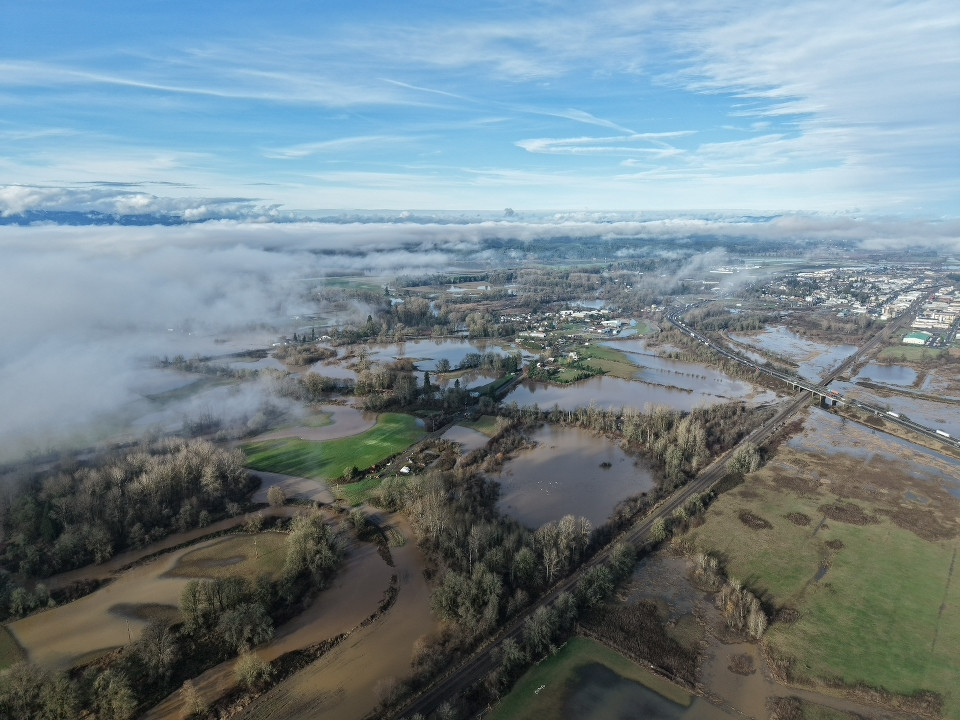
Southwest Washington faces many challenges, both now and in the future, and as things stand, no one has been willing to meet those challenges head-on or seriously tackle the root causes of the problems we must confront. Our representatives in government don’t really do much, and the state government often pretends as if we don’t exist. As the legislative representative of the 20th district, I would make it my goal to change all that. As such, I do not intend to run on vague platitudes and amorphous promises, but on an ambitious and detailed plan of action, divided into three pillars carefully crafted to work together to uplift communities throughout the 20th district, Southwest Washington, and all of rural Washington State.
Industrial Hemp
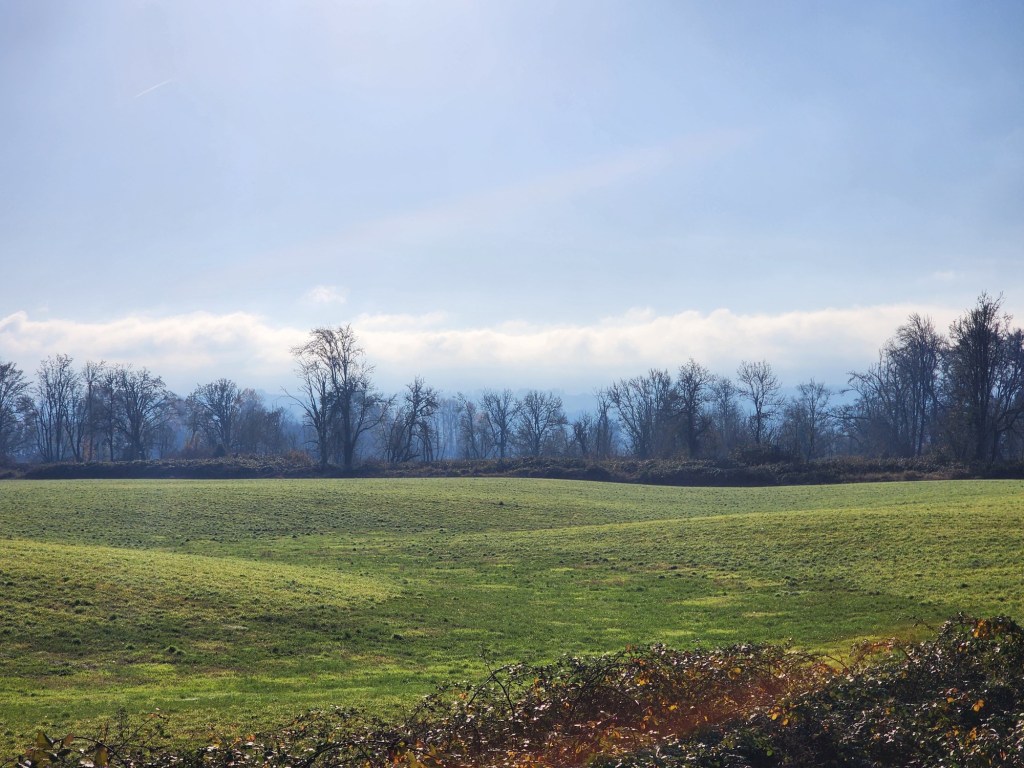
Sustainable agriculture & industry, supporting farmers & creating good union jobs
Industrial hemp can be used to make pretty much anything, from insulation to structural building materials 20% stronger than hickory, to paper, clothing, and animal food and bedding. It is incredibly versatile, and an acre of hemp produces roughly 4X as much fiber per year as a timber plantation. Because it is grown and harvested each year, it is not so susceptible to extreme heat events like heat domes, fires, or disease/infestation as are trees. The variety of products which may be crafted from it ensure that communities which produce hemp aren’t reliant on the market conditions of the relatively limited range of products which are derived from wood. Hemp also excels at sequestering carbon, and works well as an intercrop or fallow crop, meaning it does not necessarily replace existing crops.
I have researched and developed a workable concept to rapidly boost industrial hemp production in Washington. By leveraging the Washington Department of Natural Resources to overcome key roadblocks standing in the way of large scale industrial hemp production, I believe that within a few short years we will not only see the rapid rise of an entirely new sector of agricultural, industrial, and commercial prosperity in the Pacific Northwest, but also a new and reliable direct source of revenue for WADNR’s beneficiaries.
Through industrial hemp I intend to create many thousands of new jobs, bring many new businesses to the region, and bolster the viability of struggling farmers and rural communities in Southwest Washington. All this while providing an enormous net environmental benefit.
New Parks where we live
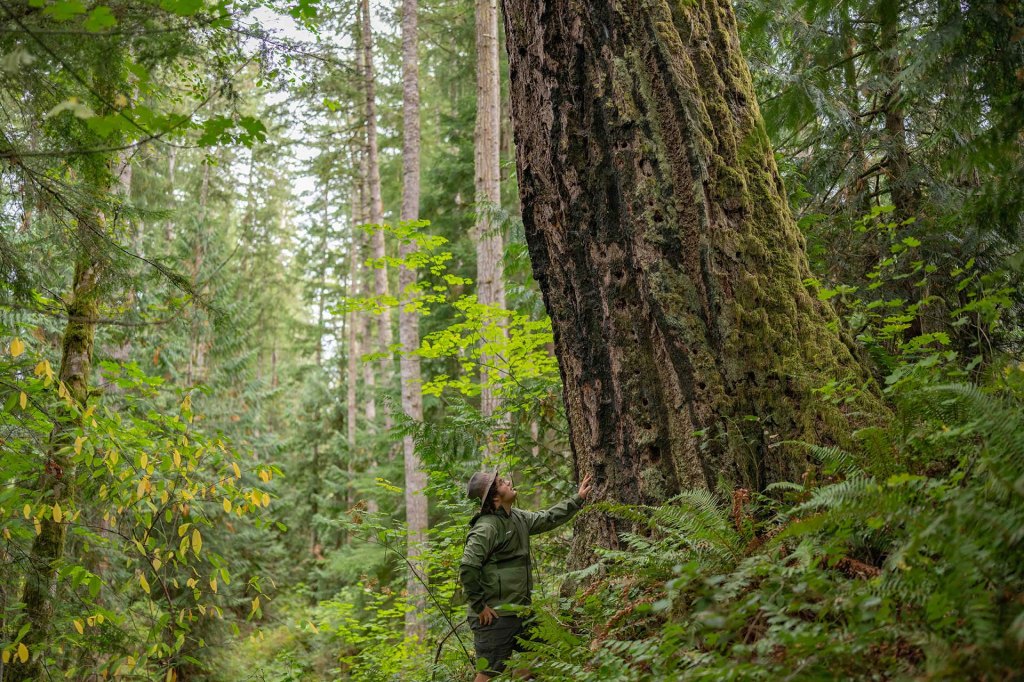
Solving crowding in National Parks while improving rural economies & quality of life
Outdoor recreation and tourism are among Washington’s largest economic drivers, yet our rural communities are unable to benefit as much as they should from this huge and sustainable source of revenue. Mt. Rainier National Park, Gifford Pinchot National Forest, and practically every other piece of public land in Washington is packed to capacity for much of the year, with campsites persistently booked-full many months in advance. yet small towns are passed over and forgotten. We need to give our rural communities the tools they need to draw in hikers, sightseers, and vacationers.
The biggest thing standing in the way of our communities drawing in and profiting from outdoor recreation is that such recreation is too far from our communities. What reason does someone from Portland, Seattle, or anywhere else have to make Morton, Chehalis, Kelso, Amboy, or my own home town of Toutle their vacation destination? The places people want to visit for a day hike or a weekend of exploring are hours beyond our towns. That’s what I aim to change.
Where viable, I aim to provide every community in Western Washington with a large park capable of providing visitors with a wilderness experience, and locals with expansive new options for outdoor access. These parks are to be rustic, designed for low-upkeep and minimal time and expense to build and open to the public. The goal would be for each to offer 5 miles of hiking trails of varying lengths, a 5 mile long mountain bike trail, a picnic area, and 3-6 tent campsites.
With each rural community possessing its own large park with significant recreation opportunities, people would come not only to visit a particular town, but to spend time exploring multiple towns, each with their own unique and exciting park to visit. Our rural communities lie far closer to big cities and airports than do our federal public lands. By making our communities into desirable destinations we can both solve overcrowding of National Parks, while also generating immense prosperity for rural communities.
Revitalizing rural communities
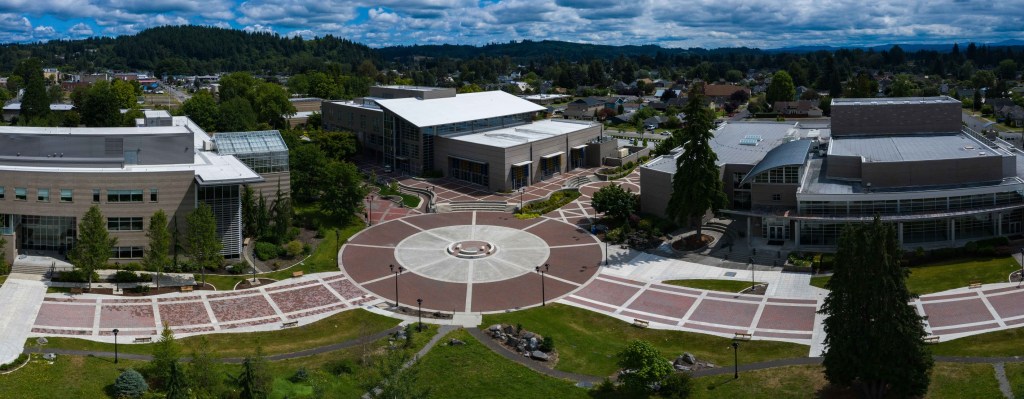
Halting sprawl, improving affordability, and energizing small business in rural towns
What too many people leave out of conversations around improving the economy and creating jobs is how economic improvement can compromise affordability and the character of our communities. It is vital to put in place safeguards against bad outcomes resulting from our best intentions. My aim is to revitalize our rural communities in such a way as to become better places to live and work, while not sacrificing their character, and in fact reducing the cost of living for the people who call them home.
We must halt the paving over of our fields and forests with suburban sprawl. We cannot afford to exchange local production of food and materials, as well as our beautiful natural landscapes, for cookie-cutter subdivisions, strip malls, or data and distribution centers. Instead, we need affordable housing and small businesses within community centers. Endless growth as an economic model can only end in disaster, and I don’t believe most folks here in Southwest Washington want to see our home transformed into Pugetopolis or Los Angeles. Instead, our goal must be a thriving and prosperous steady-state economy.
Improving our communities and making them more affordable places to live also entails investing in transportation here in Southwest Washington. I aim to introduce new train service to small towns along our remaining active rail lines from Vancouver to Olympia, with stops at new stations in towns such as Castle Rock, Winlock, Woodland, Kalama, Ridgefield, Napavine, Bucoda, and Tenino. With improved bus access to more remote communities, we will enable folks to live car-free if they choose, and thus save themselves what is on average the $1000 per month cost of car ownership in the U.S.
It is also time we fight back in earnest against predatory tech companies taking advantage of rural communities to build wasteful, unnecessary data centers which are driving up our bills, sucking up vast quantities of water, and causing excessive noise pollution upon the communities upon whom these facilities have been forced. If elected, I will introduce legislation to place a statewide moratorium on the construction of new data centers, prohibit data centers from running generative AI or crypto-currency programs, mandate that data centers pay higher fees for utilities than other customers, ensure that in the event of a shortage of power or water, data centers are the first to be cut off, and implement measures which require that data centers to drastically reduce noise pollution.
 Andy Zahn